sales@chendunlab.com

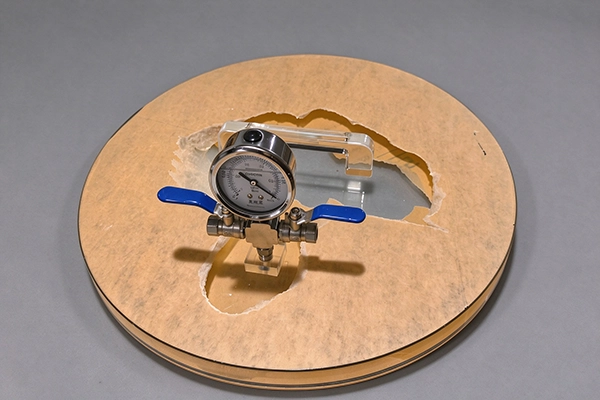
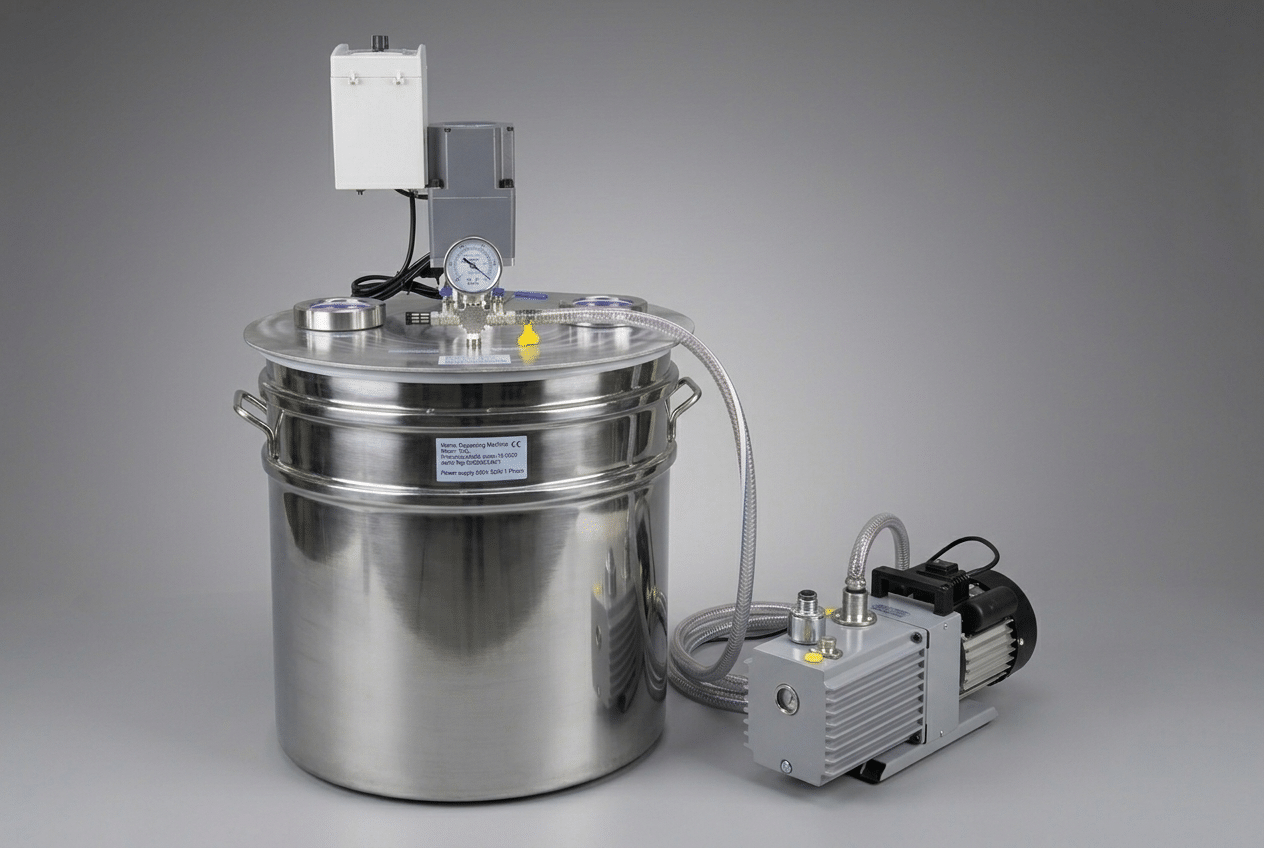
| Parameter | Available Options / Requirements |
|---|---|
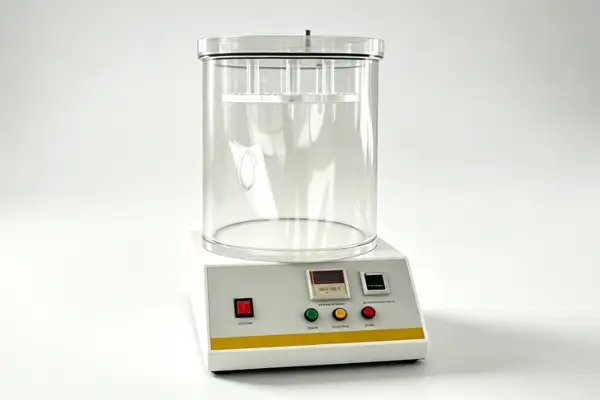
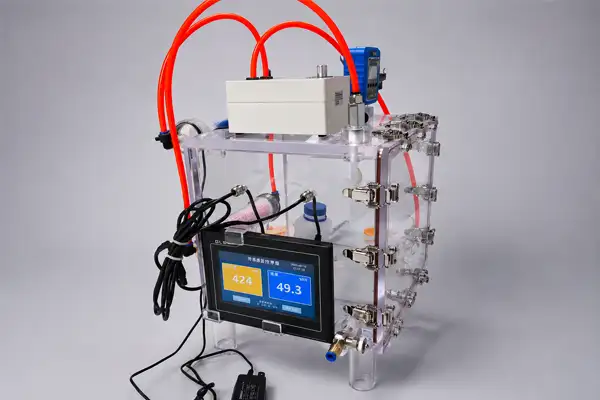
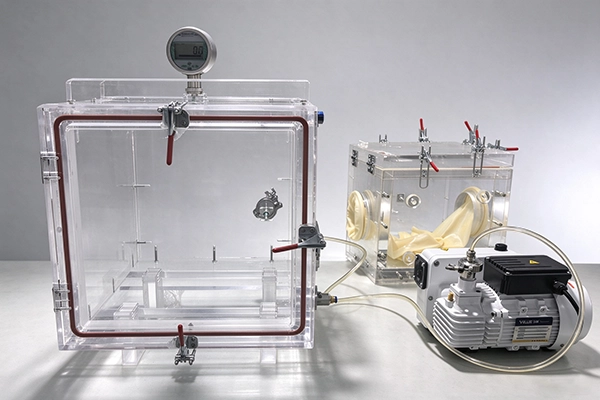
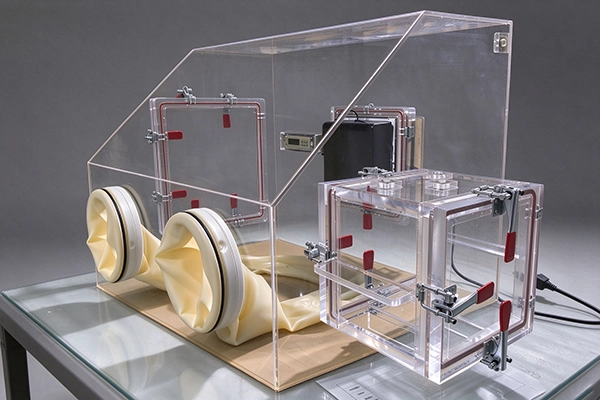
| Product Type | Acrylic vacuum lid, stainless steel lid, custom chamber cover |
| Material | Acrylic (PMMA), stainless steel, or other approved material |
| Shape | Round, rectangular, square, or custom geometry |
| Dimensions | Customized according to drawings or chamber measurements |
| Thickness | Determined by dimensions, material, pressure differential, and design validation |
| Sealing Method | O-ring, flat gasket, or other suitable sealing arrangement |
| Openings & Ports | Optional ports, holes, fittings, and feedthrough openings |
| Mounting Method | Removable, bolted, clamped, hinged, or custom configuration |
| Working Pressure | Specify the required absolute pressure or gauge pressure for review |
| Operating Temperature | Specify the required temperature range and exposure conditions |
| Customization | Available subject to engineering review and manufacturing feasibility |